
Microfluidics
- Developing Engineering Solutions for Medical and Biological Applications.
Biomechanics, Associate Professor
Postdoctoral Associate, Cornell University
Ph.D., Duke University
University of Michigan - Shanghai Jiao Tong University

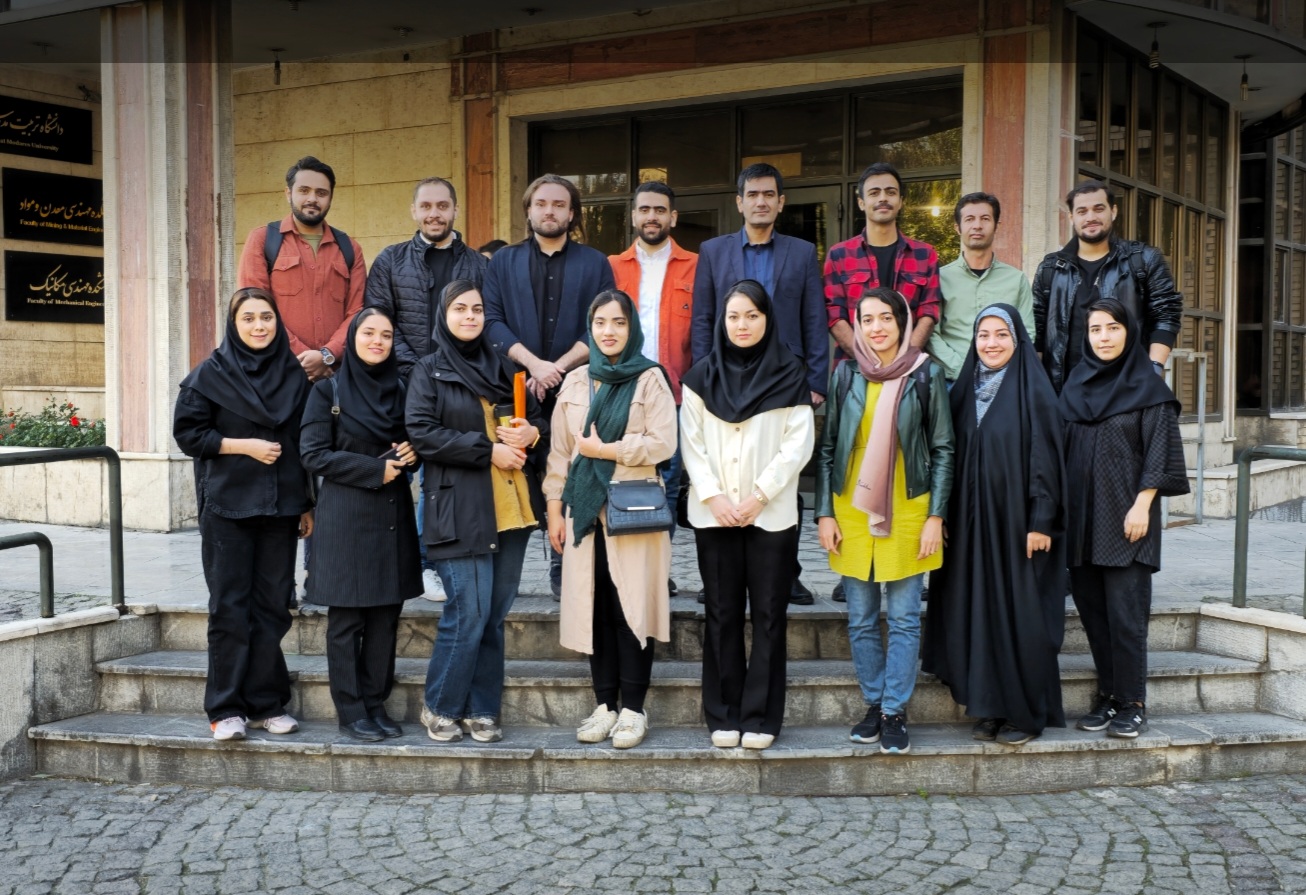
Mohammad Mehdi is a Masters student in Biomechanics. He works on developing magnetophroetic circuits.
Parisasadat is a Masters student in Biomechanics. She is interested on developing magnetophroetic circuits.
Seyed Ahmad is a Masters student in Biomechanics. He works on 3D-printed bones.
Seyed Abolfazl is a Masters student in Biomechanics. He works on developing 3D magnetic fields useful in bioparticle manipulations.
Seyed Mohammad Mehdi is a Ph.D. student in Energy Conversion. He works on developing magnetomicrofluidic chips to assemble single-cell assays.
Sina Ahmadiasl, Negar Sadeghi Delouei, Ali Emamgholizadeh, Rahim Dashti, Erfan Farzam, Milad Alishahitoosi, Mahmood Nazari, Fateme Pourrezakhadar, Amirali Hanifi, Narmin Zarrinabadi, Samaneh Ghavidel, Nazanin Pajoohideh, Zahra Zandi, Fatemeh Hassani, Sheida Varzeshi, Iman gholami, Hedieh Jahangirpoori, and Atabak Mohammadi Moazed.
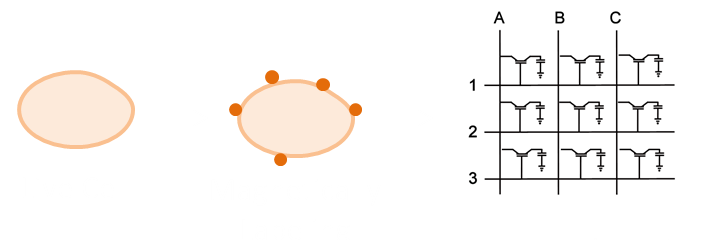
We are interested in using novel engineering techniques in answering important challenges in biology. Our expertise is in the field of lab on a chip.
We use microfabrication techniques to fabricate microfluidic chips with various applications in the fields of biology and medicine.
Some of our research interest topics are:
Lab on a Chip
Magnetics
Microfluidics
BioMEMS
Biosensors
Biomedical Microdevices
Single-Cell Analysis
Artificial Intelligence (AI)
Single-cell analysis systems are becoming essential tools for biological and medical research; however, most existing platforms are still incapable of automating the analysis of large number of single cells with the flexibility and scalability of modern computer circuits. We are trying to make breakthroughs in this field by developing logic-based transport systems to control single cells in microfluidic environments.
We are interested in dynamics of small particles. We use this knowledge in theoretical calculation and simulation of particles trajectory in magnetophoretic circuits.
We are interested in movement of small particles, such as biological cells in fluids. We use this knowledge in theoretical calculation and simulation of particles trajectory in magnetophoretic circuits.
As one of the inventors of the magnetophoretic circuits, we continue to work in this field and design novel circuits to precisely transport tiny particles and single cells.
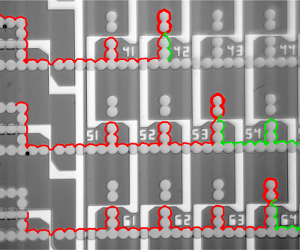
We use the electronic circuits and their concepts in our interdisciplinary research field. Combining the skills in mechanical and electrical engineering helps us in working on novel applications.
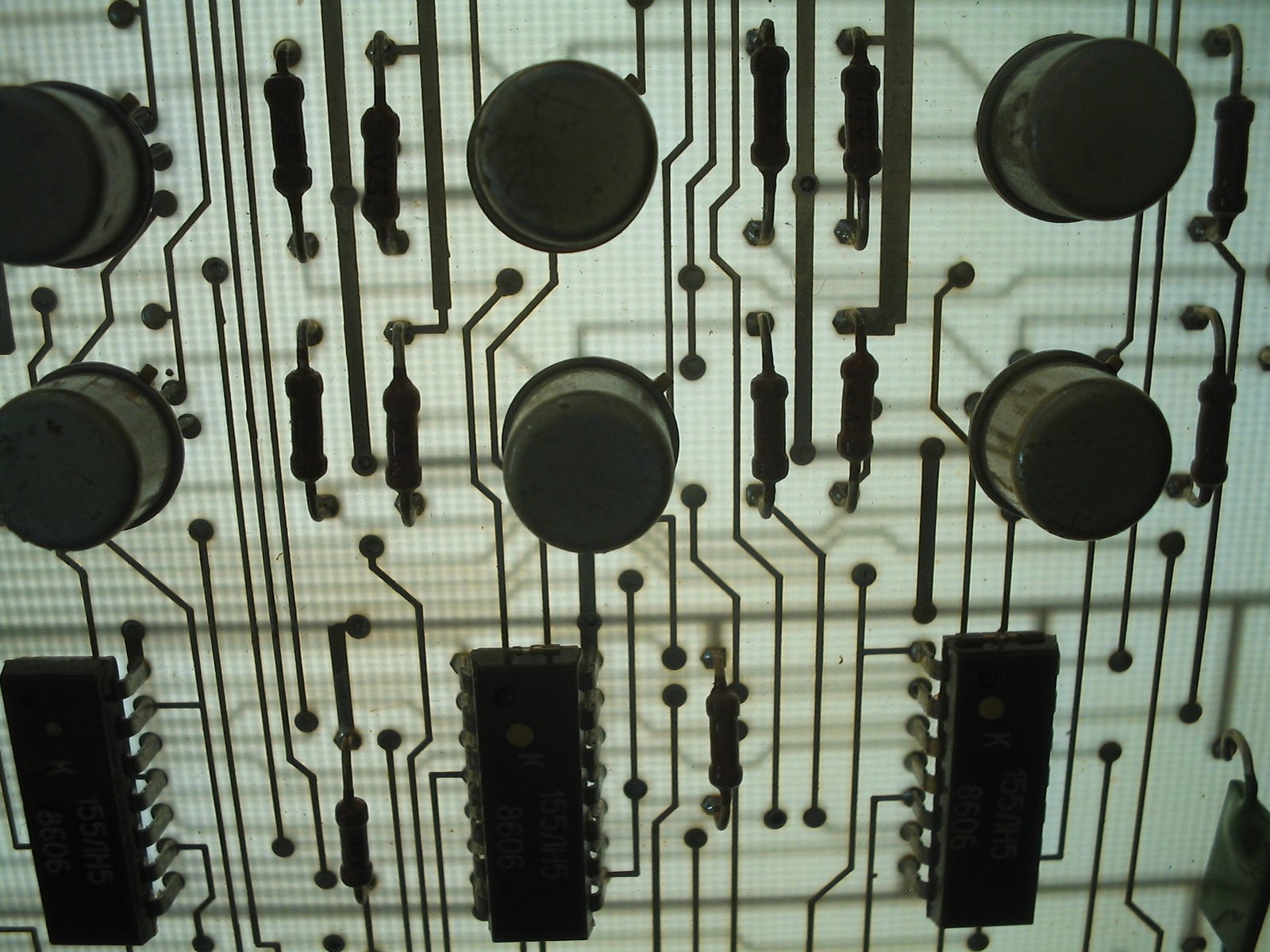
We have designed many computer related circuits, such as Power supply tester/loader, Automated BGA machine, Computer IR remote controller, Computer I/O board, and Internet based device remote controller.

We use different programming languages and software, including C++, Python, Visual Basic, Matlab, LabView, Ansys Maxwell, and Comsol, for our computational needs. We are interested in energy, force, and fluid simulations. We use the simulation results in designing our microchips. We are also interested in big data analysis, artificial intelligence (AI), and machine learning. We use these skills in analyzing the biosignals including genomic data from single cells.
Photolithography in the first step in most of our chip fabrication protocols. It is mostly used to pattern the thin films.
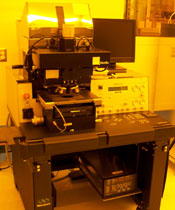
The metal evaporation is used in chip fabrication for making the required metallic layers.
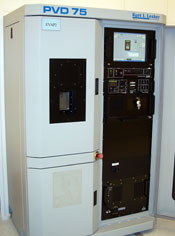
Sputtering is sometimes used to creat the films in our chip fabrication.
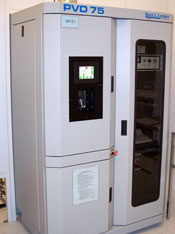
We use PECVD in chip fabrication. We mostly use it for coating our chips with insulators.
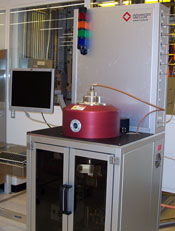
RIE is used to etch the channels in our chips.
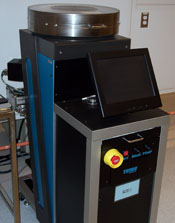
Wire bonding is used to electrically connect the chips to the outside world.
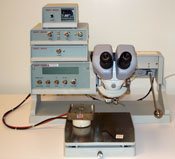
We use various techniques for fabricating microfluidic channels, based on PDMS.
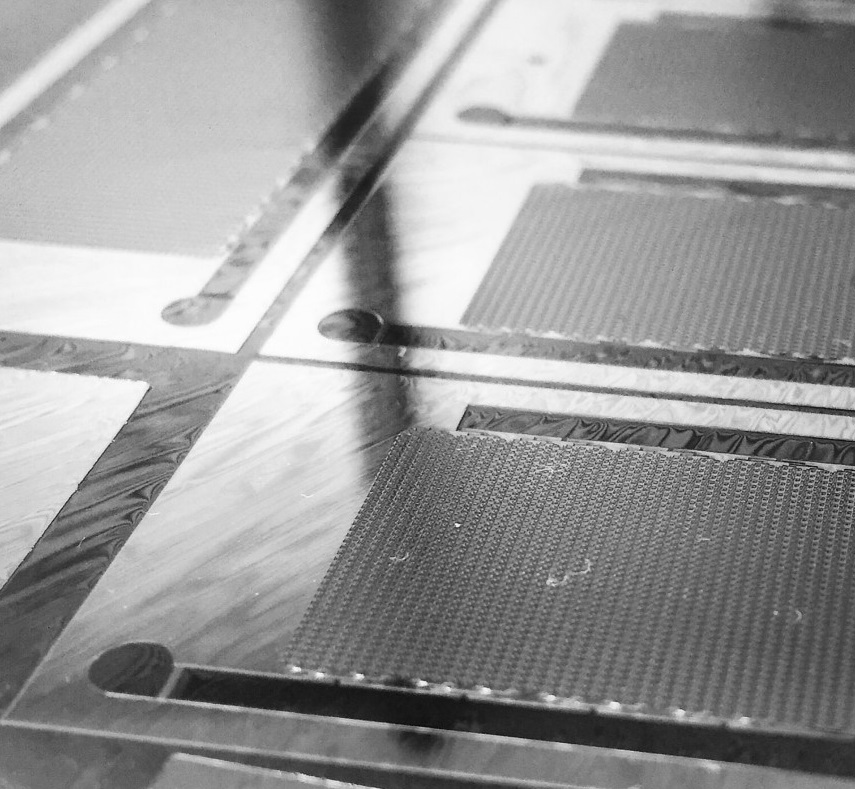
We use 3D Printers to fabricate many things, such as microfluidic chips, fluid container chambers, and so on.

Faculty of Mechanical Engieering, Tarbiat Modares University, Nasr, Tehran, Iran, PO. Box: 14115-111
abedini modares.ac.ir
